

Our Partners
At NextGen (BFF), we deeply value our partners' critical role in enhancing our students' educational and career opportunities. These collaborations enrich our programs with invaluable knowledge and expertise and open up distinctive opportunities for internships, research projects, and future job prospects. By weaving our partners' strengths into both our academic and extracurricular offerings, we can prepare our students with the essential tools, experiences, and connections needed to shape the future generation of agriculture and human scientists.
Chula Vista High School
(480) 461-6200 or Contact Form
.avif)
Chula Vista High School offers an elective course "Social Justice in Food" where students “learn by doing” in the outdoors. This program was established in 2016 by teacher Maria Galleher. Students start the day with traditional class work that includes academic readings and discussions. The majority of the time is spent outdoors; gardening, composting food waste from the cafeteria, planting, harvesting and sampling the food they grow. The students complete a final project where they create a StoryMap. They work collaboratively with students of all levels maintaining several gardens around campus—an organic vegetable garden, a fruit tree orchard and native gardens—that support native life and increase biodiversity.
Garden 31
Garden 31 is a San Diego-based nonprofit on a mission to transform food systems through the power of regenerative agriculture. Since its founding in 2021, the organization has been a beacon of hope, offering career pathways, mentorship, and immersive training in sustainable farming practices. By bridging gaps in food access, economic stability, and environmental stewardship, Garden 31 empowers communities to grow nourishing food while restoring the land. Their work doesn’t just address today’s challenges—it builds a foundation for a healthier, more resilient future where people and the planet thrive together.

Mesa Community College
(480) 461-6200 or Contact Form

Our partnership with San Diego Mesa College creates clear pathways for community college students to pursue careers in agriculture and natural resources management. Through this collaboration, NextGen faculty and graduate students provide technical assistance, mentorship, and research advising to Mesa students working on projects. Participants also gain opportunities to present their findings at academic conferences, gaining visibility and experience. By fostering these cross-campus connections, students leave with a stronger understanding of the academic and career opportunities available to them at SDSU and beyond.
San Diego Botanical Gardens
Located in Encinitas, California, SDBG is known for outstanding formal education programs from early childhood through high school, as well as informal education for visitors of all ages. Each year, thousands of children from school districts across San Diego County participate in on-site and remote learning programs. SDBG’s Education Department manages 4 dedicated classroom spaces, including state-of-the-art facilities constructed in 2019 as a part of the Garden’s Dickinson Family Education Conservatory. This 7,000 square foot space includes over 5,000 square feet of conservatory greenhouse that serves as a botanical laboratory, as well as 2 separate classroom spaces for diverse programming. Additionally, the SDBG maintains several outdoor classrooms and dedicated indoor and outdoor artistic gallery spaces.
.avif)
SDSU BrightSide
(480) 461-6200 or Contact Form
.jpg)
Based at SDSU’s Fowler College of Business, BrightSide Produce is a student-run non-profit that has been tackling food insecurity in San Diego County since 2017. By sourcing locally and distributing fresh produce to a network of partner stores—including corner markets and convenience stores—they ensure residents in underserved communities have access to affordable, healthy food within a ten-minute walk of home. These efforts are strategically focused on the San Diego Promise Zone, where BrightSide’s sustainable model of produce rescue and community partnerships helps create an equitable and accessible food system for the region’s most under-resourced neighborhoods.
SDSU IV Edible Garden
The SDSU IV Edible Garden and Food Pantry serves as a vibrant hub for sustainable agriculture, community resilience, and food security in the Imperial Valley. This living laboratory provides students, volunteers, and local families with access to fresh produce, hands-on gardening experiences, and educational programs focused on regenerative farming. By integrating research, outreach, and service, the garden fosters connections between SDSU, community partners, and regional stakeholders, creating opportunities for learning, innovation, and impact in sustainable food systems.
.jpeg)
UC Master Gardener Program
(480) 461-6200 or Contact Form
%20(1).avif)
The Master Gardener Program, typically offered through universities in the United States and Canada, provides intensive horticultural training to individuals who then volunteer as Master Gardeners in their communities. These trained volunteers lead educational workshops, design and maintain public gardens, offer research-based gardening advice, and collaborate on urban agriculture initiatives. Their work spans school programs, senior centers, food banks, and conservation efforts, making a tangible difference in local food security, biodiversity, and environmental education. By bridging academic research with hands-on community action, the program cultivates ecological resilience, lifelong learning, and sustainable communities.
USDA APHIS
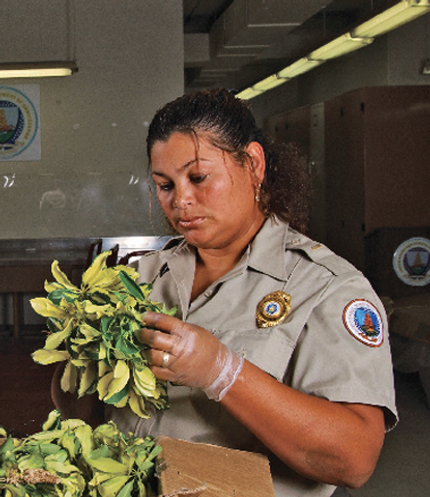
The USDA Animal and Plant Health Inspection Service (APHIS) safeguards American agriculture, natural resources, and public health. Through partnerships like the one with San Diego Mesa College, APHIS supports programs that provide students with mentorship, research opportunities, and hands-on experience in agriculture and natural resource management. These collaborations help students explore career paths in sustainable agriculture, environmental stewardship, and food security, equipping them to tackle challenges in plant and animal health, invasive species management, and ecosystem conservation.
WRRC: Albany, CA
(480) 461-6200 or Contact Form

This Western Regional Research Center houses six research units that focus on various areas: bioproducts research, crop improvement and genetics, foodborne toxin detection and prevention, healthy processed foods, invasive species and pollinator health, and produce safety and microbiology. The center was designated a National Historic Chemical Landmark in 2002 for developing time-temperature tolerance studies for frozen food production and in 2013 for developing flavor research methods and standards. Students will have the opportunity to participate in an internship where they will work alongside USDA scientists, gain hands-on research experiences, and explore career opportunities with USDA.